
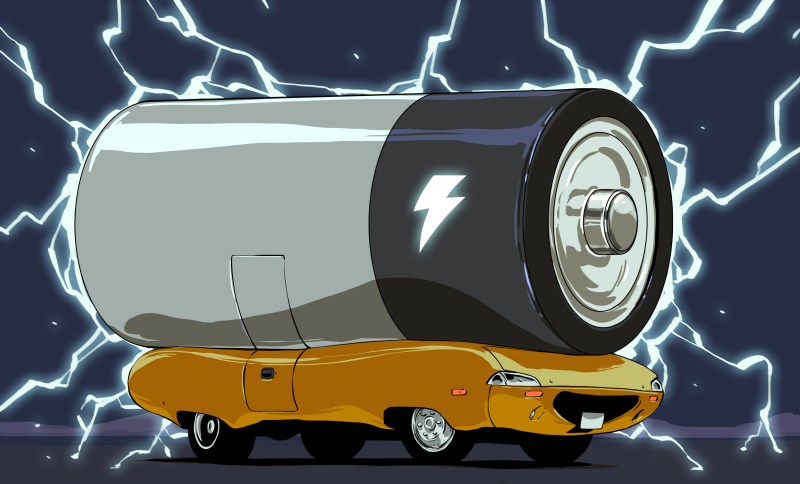
Batteries have a habit of quietly getting worse. Anyone who has nursed an old smartphone through its final years knows the routine—it leaves the house at 100% and is begging for a charger by lunchtime. It’s no surprise, then, that one of the most common worries about electric cars is what happens to the pack after a few years and a lot of kilometres. Nobody wants to buy a used EV only to discover it can barely make it across town. Fears around battery degradation and high replacement costs were the catch cry of many EV doomers over the years.
The good news is that we now have a pretty big pile of data on the question. Austrian battery diagnostics company Aviloo has crunched the results of more than 500,000 tests on used EVs covering 20 popular models from the likes of Tesla, Volkswagen, Hyundai and Nissan. The data thus far tells us that EV batteries are holding up far better than the naysayers would have you believe.
As a company specializing in battery diagnostics, Aviloo has developed what it calls the “FLASH” test, which is a 3-minute test performed on the battery via an EV’s OBD port. Rather than relying on a vehicle’s dashboard to report battery state of health, which would vary between manufacturers depending on methodology, the FLASH test is an independent test that is run the same way across different makes and models. Running over 3 minutes, it captures data available over the OBD port, such as pack voltage, individual cell voltages, and temperature deviations. It collates these figures, and runs them through a model that compares with with Aviloo’s back end database of data from tests on other similar vehicles, and comes up with a State of Health (SoH) percentage indicative of the battery’s expected capacity compared to when it was new.
Aviloo’s study took in a sample of over 500,000 used EVs that were tested in this way, with the results collected between 2022 and 2026. Data was taken from across the world, including North and South America, Europe, Australia, and Asia, so varying environmental factors are, to a degree, accounted for. The upshot of this testing, the headline figure, if you will, is an impressive one. After 150,000 km, most of the cars tested still have around 90% of their original usable battery capacity, and even the weakest performer isn’t doing too much worse than that.
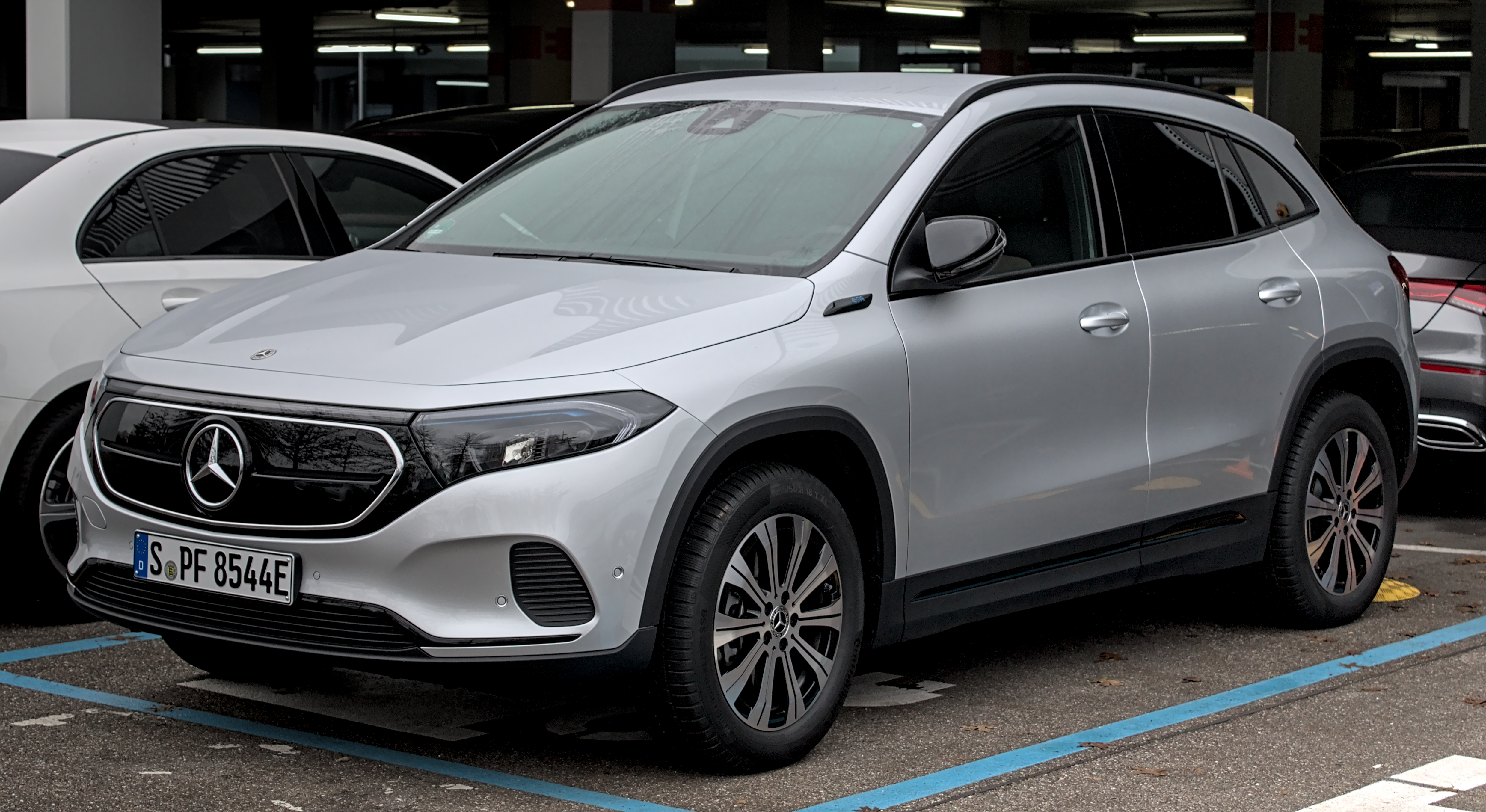
For each of the 20 models in the study, Aviloo worked out the median SoH at three milestones. At 50,000 km the medians ranged from 91% to 97%. By 100,000 km they’d slipped to between 88% and 95%, and at 150,000 km they sat between roughly 86% and 94%, with sixteen of the twenty models still above 90%. The Mercedes EQA topped the table at around 94%. The Hyundai Ioniq 5 went from 97.2% to 92.8% over that span, and the Tesla Model Y from 94.5% to 90.3%. These high-selling models from major automakers performed well over extended lifespans, showing that decently mileage won’t ruin their performance in short order.
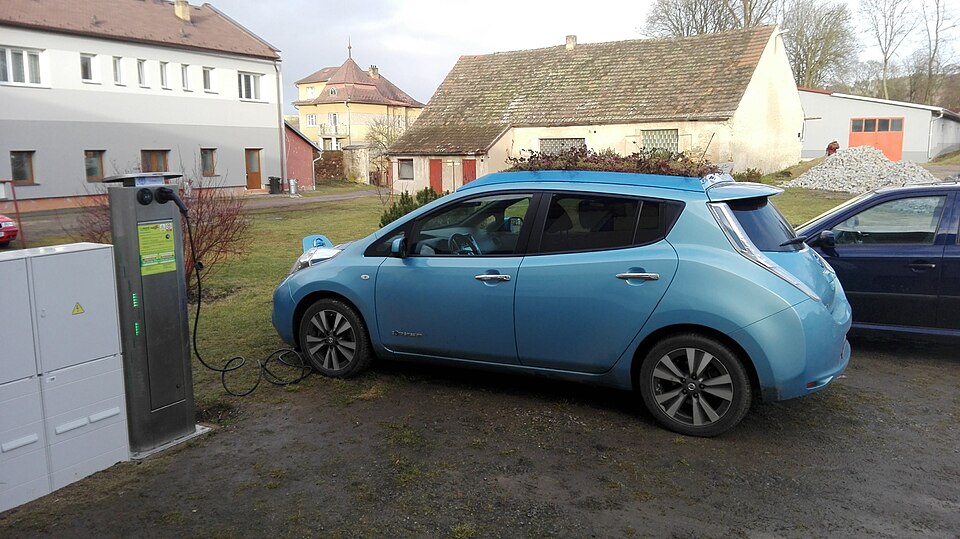
Not every vehicle performed so well, however. Bringing up the rear of the study participants was the 40 kWh Nissan Leaf ZE1, falling from 91.1% capacity at 50,000 km to 86.3%. That’s a sizable loss on a vehicle that only shipped with 270 km WLTP range in the first place, coming out at around 35 km of range lost. Still, it’s by no means enough to render the car useless or in need of a total battery replacement.
The degradation figures suggest that the 70% threshold in most EV battery warranties, which typically run for eight years or 160,000 km, looks fairly safe for the majority of cars. No surprise, given that line was likely set after deep research by automaker engineering teams. Similar milestones show up in the UN’s Global Technical Regulation No. 22 on battery durability, which sets minimum requirements of 80% at five years or 100,000 km, and 70% at eight years or 160,000 km. Based on the Aviloo data, the 20 models tested are all, by and large, safely within those limits.
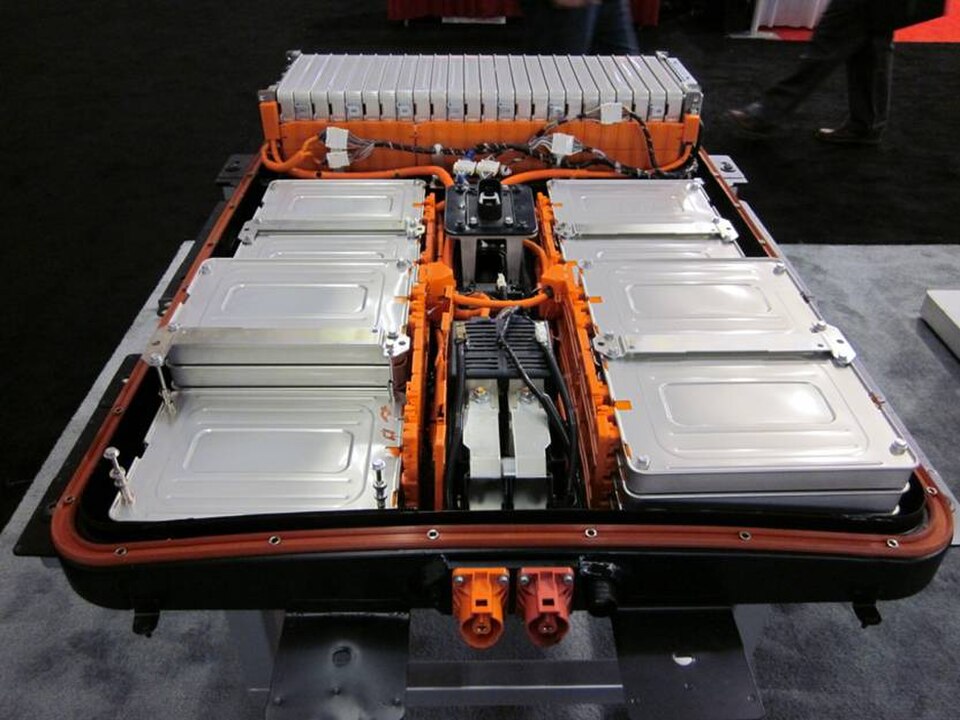
The median figures only tell half the story, though. Aviloo also found big differences between individual cars of the same model at the same mileage. At 150,000 km, Model Ys varied by up to 11 percentage points, ID.4s by 11 to 12, and Ioniq 5s by more than 12. The Leaf had the widest spread of the lot at 13.5 points, which on a car with a fairly small pack works out to around 29 km of real-world range per charge. Pack size goes a long way to explaining the Leaf’s result. We measure wear in kilometres, but cells experience it in cycles. A 40 kWh Leaf needs roughly twice as many full charge cycles to cover 150,000 km as a car with a pack in the 75 kWh range, so every kilometre puts more wear on every cell. The Leaf famously also uses passive air cooling on its battery instead of an active liquid cooling system, which leaves its cells with less defence against heat and greater susceptibility to degradation.
Fundamentally, there will always be variation between examples of the same model in the used car population. Differences in charging habits and usage will affect battery life, as will things like the ambient temperatures in the area the car lives. A car that is routinely driven to battery exhaustion and is stored in a hot climate at a high state of charge will always see a quicker loss of battery capacity than a car treated more gently in a mild climate. All of these variables make life awkward for anyone buying a used EV. Any two cars of the same model, year and mileage can have very different batteries, and there’s no way to tell by kicking the tyres. Aviloo’s reports make much the same point, noting that a buyer has no idea how a used EV’s battery has been treated.
Ultimately, though, the message is that EV packs are, on the whole, lasting a lot better than our worst fears might have suggested. Losing ten percent of your range after 150,000 km isn’t nothing, but it’s a long way from the doom-laden scenarios that keep some people in petrol cars.


